

Ube vs Mixed Berries: Which Flavour Works Best?
Picking the right flavour for your next bake, dessert, or drink can be trickier than it sounds. Two ingredients have become firm favourites among home bakers and cafes across Australia: ube and mixed berries. Both are known for their striking natural colour and their ability to turn a simple recipe into something special, yet they offer completely different flavour experiences. In this guide, we'll compare ube and mixed berries across taste, sweetness, versatility, and everyday baking use, so you can decide which one suits your next creation best.
Before you get started, you can now explore our full range of UBE products available across Australia by clicking here.

What Is Ube, Exactly?
Ube is a bright purple yam that hails from the Philippines, prized for its bold violet colour and its soft, subtly sweet flavour that many describe as somewhere between vanilla and roasted pistachio. It's traditionally cooked down into ube halaya, a thick, jam like spread used in Filipino desserts, but these days it turns up everywhere, from cakes and doughnuts to soft serve, macarons, and cafe lattes.
| Discover our Ube Starter Kit |

What makes ube so easy to work with is how gentle its flavour is. It doesn't overpower a dish the way some strong flavourings can. Instead, it folds smoothly into whatever you're making, adding a rich, almost custard like depth alongside its signature purple hue.
Why Bakers Love Ube
- A naturally mellow sweetness, meaning less added sugar is often needed
- A flavour that complements coconut cream, condensed milk, and vanilla beautifully
- A taste that stays true whether baked, frozen, or blended into drinks
- A consistent, deep purple colour that survives the baking process
What Are Mixed Berries?
Mixed berries bring together small fruits such as strawberries, blueberries, raspberries, and blackberries into one flavour packed combination. Unlike ube's single, steady flavour, mixed berries deliver a whole range of tastes at once, from the sweet, almost syrupy note of ripe strawberries through to the sharp tang of raspberries and the deeper, slightly earthy character of blackberries. That built in complexity is exactly why so many bakers reach for a berry mix rather than just one fruit on its own.
Berries have long been a staple in kitchens well before ube found its way onto Australian menus, and they remain just as popular today. You'll find them in muffins, pavlovas, smoothies, jams, crumbles, and scattered fresh over just about any dessert imaginable.
Why Bakers Love Mixed Berries
- A fresh, juicy flavour that instantly lifts a recipe
- A natural balance of sweet and tart, depending on which berries you choose
- Easy pairing with chocolate, citrus, cream, and warming spices
- Natural moisture and texture that improve the bite of baked goods
Ube vs Mixed Berries: How They Compare
1. Overall Flavour
This is the biggest point of difference between the two. Ube offers a smooth, creamy, gently sweet flavour that feels indulgent on its own, even before you add anything else to the recipe.
Mixed berries, on the other hand, bring brightness and layers of flavour rather than a single smooth note. You get sweetness up front and a tangy finish, giving the dish a fresh, lively character. If you're making something rich, like a cheesecake, custard tart, or layer cake, ube's soft flavour is usually the stronger choice. If you want something light and vibrant, like a fruit galette or a summer smoothie bowl, mixed berries are hard to go past.
2. Sweetness Levels
Ube carries a gentle, built in sweetness that blends into a recipe without needing much extra sugar, making it a reliable choice when you want balanced flavour without too much fuss.
Berries vary far more depending on the mix. Strawberries and blueberries skew sweeter, while raspberries and blackberries lean tart. This gives you a real advantage: you can adjust the overall sweetness of a dish just by changing the ratio of berries used, something a single flavour ingredient like ube simply can't offer.
| Discover our Ube Bamboo Spoon |

3. Colour and Presentation
Both ingredients are just as popular for how they look as how they taste, which matters a lot for anything destined for Instagram or a bakery display.
Ube produces a rich, even violet shade from start to finish, making it perfect for recipes where a uniform purple colour is the whole point, think ube swirl cheesecake or ube soft serve. Mixed berries offer a much wider colour range, from deep reds and purples to near black, giving you more room to play if you're matching a colour scheme or simply want a naturally striking finish.
4. Versatility in Recipes
Ube performs best in baked goods, ice creams, and creamy desserts, where its subtle flavour can shine without competing for attention. It's less common outside dessert style recipes, since its taste is so closely tied to sweet applications.
Mixed berries are generally more versatile across the board. They work in baked goods, jams, sauces, smoothies, salads, and as a simple fresh topping. Their natural juiciness also means they contribute texture as well as flavour, something ube's starchier texture can't quite replicate.
5. Performance Under Heat
Ube holds onto its flavour and colour remarkably well when baked, which is part of why it performs so consistently in cakes, breads, and pastries.
Most berries also cope reasonably well with baking, though delicate varieties like raspberries and blackberries can lose some texture or vibrancy after prolonged cooking. Because of this, many bakers fold fresh berries in towards the end of a recipe or use them raw as a topping to keep their full flavour and appearance intact.

Which Should You Choose?
There's no single right answer, it really depends on the flavour experience you're after.
Choose ube if you want:
- A smooth, creamy, subtly sweet flavour
- A rich dessert such as cake, ice cream, or custard
- A consistent purple colour throughout the finished dish
- A comforting, indulgent flavour experience
Choose mixed berries if you want:
- A fresh, juicy, fruit forward flavour
- A lighter dessert, smoothie, or brekkie style bake
- The flexibility to adjust sweetness and colour by changing the berry blend
- Extra texture and natural moisture in the final result
Why Not Use Both?
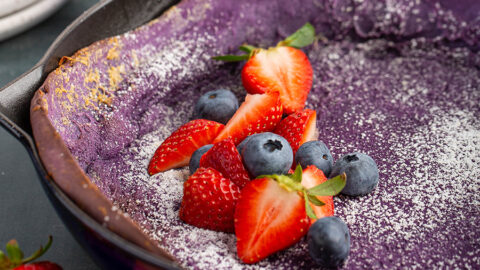
You don't have to pick a side. Some of the most memorable desserts bring ube's creamy purple base together with the bright pop of strawberries or raspberries on top. The flavours work beautifully together, rich and mellow against sweet and tart, and the visual contrast between deep purple and vivid red makes for a genuinely eye catching dessert, whether it's a layered cake, a swirled smoothie, or a berry topped ube tart.
Final Thoughts
Ube and mixed berries each offer something different for your kitchen. Ube brings a smooth, comforting sweetness that suits rich, indulgent bakes, while mixed berries add brightness, tang, and texture that work across almost any recipe. Rather than choosing one over the other, think of them as two flavour options that expand what you can create, whether used separately or combined.
Ready to start baking with genuine, high quality ube? Browse our shop for premium ube powder, extract, and starter kits, and discover how easy it is to bring naturally vibrant colour and flavour into your kitchen.
| Discover our Organic Ube Powder 200g |

Your Favourite UBE Products Are Here
If you’d like to learn even more about this incredible superfood, we invite you to explore the rest of our website dedicated to premium UBE products available across Australia. You can browse our organic ube powder collection to discover our best-selling items, and explore our different accessory collections for even more options.
Whether you’re looking for recipes, health benefits, or high-quality UBE ingredients, you’ll find everything you need right here and at ww.organic-ube-australia.com.au


