

Where does ube come from?
If you have recently fallen in love with ube's vibrant purple hue and subtly sweet flavour, you are not alone. This stunning tuber has captured the hearts of Australian food enthusiasts, home bakers, and health-conscious consumers across the country. But where does ube come from, and what makes this purple powerhouse so special?
In this comprehensive guide, we will take you on a journey to discover ube's fascinating origins, explore its rich cultural heritage, and reveal why this exceptional ingredient deserves a prominent place in your pantry. Whether you are a seasoned ube enthusiast or just beginning to explore its possibilities, understanding where ube comes from will deepen your appreciation for this remarkable superfood.
Before you get started, you can now explore our full range of UBE products available across Australia by clicking here.

The Geographic Origins of Ube: A Philippine Treasure 🌏
Ube, scientifically known as Dioscorea alata, originates from the tropical regions of Southeast Asia, with the Philippines claiming its most celebrated culinary heritage. This purple yam has been cultivated in the Philippine archipelago for centuries, thriving in the country's warm, humid climate and rich volcanic soil.

The Philippines, particularly the regions of Luzon and Visayas, provides the ideal growing conditions for ube. The combination of consistent rainfall, tropical temperatures, and nutrient-dense soil creates the perfect environment for developing ube's distinctive deep purple colour and naturally sweet flavour profile.
While ube grows in other Southeast Asian countries, including Indonesia, Vietnam, and parts of Malaysia, the Philippine variety has become the gold standard. Filipino farmers have perfected cultivation techniques passed down through generations, ensuring that each harvest yields tubers with optimal colour intensity, sweetness, and nutritional density.
Understanding Ube: What Exactly Is This Purple Wonder?
Before we delve deeper into ube's journey from farm to your kitchen, it is essential to understand what ube actually is. Ube is a species of yam, distinct from the sweet potato, despite occasional confusion between the two.
The Botanical Background
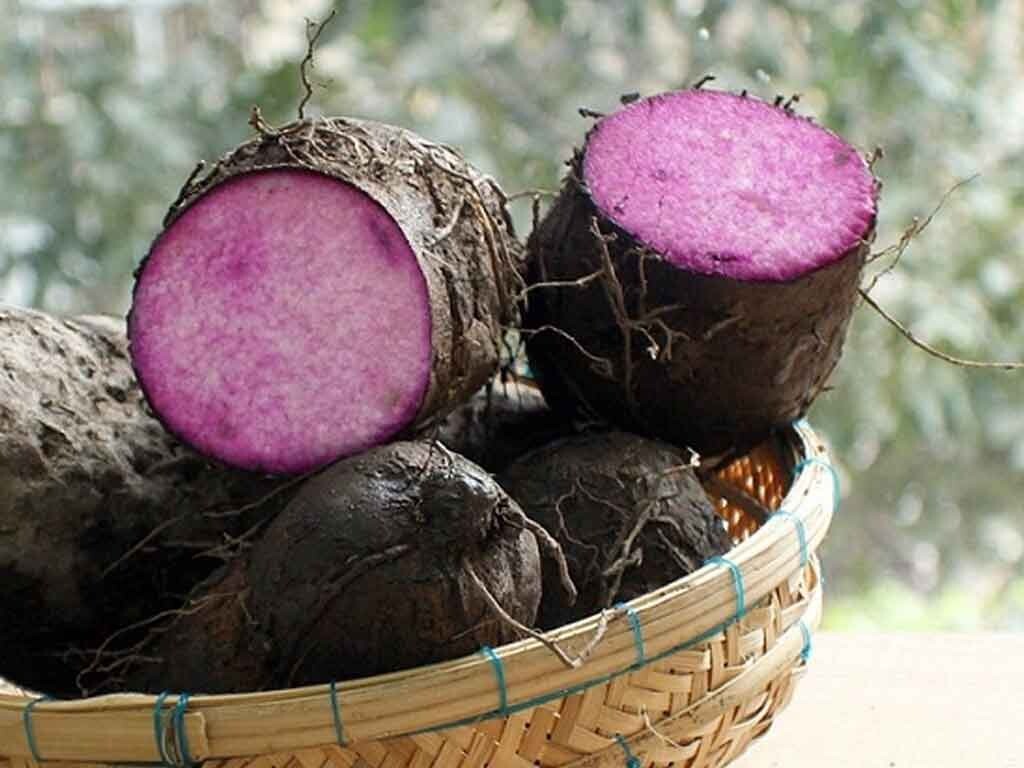
Ube belongs to the Dioscoreaceae family and grows as a climbing vine that can reach impressive lengths. Underground, the plant develops tuberous roots that are the edible portion we treasure. These tubers can grow quite large, sometimes weighing several kilograms, and feature a rough, bark-like exterior that conceals their stunning purple interior.
The remarkable purple colour comes from anthocyanins, powerful antioxidants that provide numerous health benefits. These same compounds give blueberries, purple cabbage, and other purple foods their distinctive hues and impressive nutritional profiles.
The Cultural Significance of Ube in Philippine Cuisine 💜
To truly understand where ube comes from, we must appreciate its deep cultural roots in Filipino culinary traditions. Ube is not merely an ingredient in the Philippines; it represents comfort, celebration, and cultural identity.
Traditional Filipino Ube Preparations
For generations, Filipino families have incorporated ube into their most cherished recipes. Ube halaya, a sweet purple jam made by slowly cooking mashed ube with condensed milk and butter, graces tables during special occasions and holidays. This labour-intensive delicacy requires patience and skill, with cooks stirring continuously for hours to achieve the perfect consistency.
Halo-halo, the Philippines' beloved shaved ice dessert, frequently features ube ice cream or ube halaya as a crowning element. During fiestas and family gatherings, ube-filled pastries, cakes, and traditional kakanin (rice cakes) demonstrate the ingredient's versatility and cultural importance.
From Traditional Ingredient to Global Phenomenon
What began as a treasured component of Filipino cuisine has evolved into an international sensation. The Filipino diaspora introduced ube to communities worldwide, and social media has amplified its appeal, showcasing ube's photogenic purple colour and unique flavour to millions of curious food lovers.
Today, ube appears in trendy cafes from Los Angeles to London, Melbourne to Manila, inspiring innovative creations from ube lattes to purple pancakes, doughnuts, and artisanal ice cream.
How Ube Is Cultivated: From Seed to Harvest 🌱
Understanding ube's cultivation process reveals why quality matters when selecting your ube powder. The journey from planting to harvest requires expertise, patience, and ideal environmental conditions.
The Growing Process
| Discover our Ube Bamboo Spoon |

Ube cultivation begins with planting tuber sections or "seed pieces" in well-drained, fertile soil. The vines emerge and climb, requiring support structures as they grow. Farmers must maintain consistent moisture levels while ensuring proper drainage to prevent rot.
The tubers develop underground over several months, with harvest typically occurring eight to ten months after planting. Farmers carefully monitor soil conditions, weather patterns, and plant health throughout the growing season to ensure optimal development.
Harvesting and Processing
Harvesting ube requires care to avoid damaging the delicate tubers. Once extracted from the soil, the ube undergoes cleaning and sorting. Premium tubers with the deepest purple colour and best texture are selected for processing into ube powder.
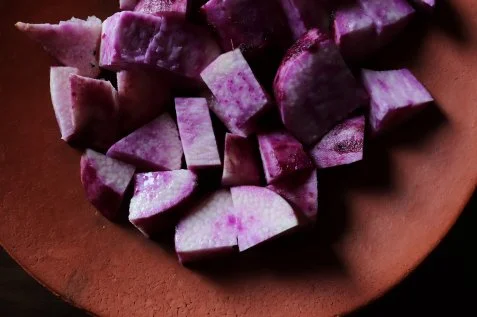
The transformation from fresh ube to convenient powder involves careful preparation. The tubers are peeled, cooked, and then processed using specialised techniques that preserve their vibrant colour, natural sweetness, and nutritional content. Advanced freeze-drying or spray-drying methods ensure that the powder retains ube's authentic flavour and beneficial compounds.
Why Geographic Origin Matters for Quality
Not all ube is created equal, and understanding where your ube comes from directly impacts the quality of your culinary creations. Philippine-grown ube benefits from centuries of agricultural expertise and optimal growing conditions that other regions struggle to replicate.
Soil Composition and Climate
The volcanic soil found throughout the Philippines contains minerals and nutrients that contribute to ube's superior flavour and nutritional profile. The tropical climate provides consistent warmth and humidity levels that allow the tubers to develop their characteristic deep purple colour and natural sweetness.
Traditional Knowledge and Expertise
Filipino farmers possess generational knowledge about ube cultivation, including optimal planting times, irrigation techniques, and harvest indicators. This expertise ensures consistent quality and helps identify the finest tubers for premium products like ube powder.
The Nutritional Journey: From Root to Superfood Status 🌟
Part of understanding where ube comes from involves recognising its transformation from humble tuber to acknowledged superfood. Ube's impressive nutritional profile has attracted attention from health enthusiasts and nutritionists alike.
Antioxidant Powerhouse
The anthocyanins responsible for ube's purple colour are potent antioxidants that help combat oxidative stress in the body. These compounds have been studied for their potential benefits in supporting cardiovascular health, cognitive function, and overall wellness.
Essential Nutrients
Ube provides valuable nutrients including vitamin C, potassium, and dietary fibre. These nutrients support various bodily functions, from immune system health to digestive wellness and proper electrolyte balance.
Low Glycemic Benefits
Compared to many other carbohydrate sources, ube has a relatively low glycemic index, meaning it causes a more gradual rise in blood sugar levels. This characteristic makes it an appealing option for those mindful of blood sugar management.
Bringing Authentic Ube to Your Australian Kitchen
Now that you understand where ube comes from and appreciate its rich heritage, you can make informed choices when selecting ube products for your home. Quality ube powder brings authentic Philippine flavour and nutrition to your Australian pantry with unmatched convenience.
| Discover our Organic Ube Powder 500g |

The Advantages of Premium Ube Powder
High-quality ube powder sourced from Philippine-grown tubers offers numerous benefits for Australian home cooks and bakers:
Convenience: No need for lengthy preparation or cooking. Simply measure and incorporate into your recipes.
Consistency: Achieve reliable results with standardised colour and flavour in every batch.
Shelf Stability: Properly stored ube powder maintains its quality for extended periods, unlike fresh tubers that require immediate use.
Versatility: Use ube powder in countless applications, from traditional Filipino recipes to innovative modern creations.
Year-Round Availability: Enjoy authentic ube flavour regardless of seasonal availability in its native growing regions.
Ensuring Authenticity and Quality
When selecting ube powder, look for products that specify Philippine origin and use minimal additives. Premium ube powder should list ube as the primary ingredient, with natural purple colour derived from the tuber itself rather than artificial colourants.
Authentic ube powder has a distinctive sweet, nutty aroma and dissolves smoothly when mixed with liquids. The colour should be a rich, natural purple that develops beautifully when incorporated into batters, doughs, and beverages.
Creative Applications for Your Ube Powder 🎨
Understanding where ube comes from enhances your appreciation as you explore its culinary possibilities. Your premium ube powder can transform everyday recipes into extraordinary purple creations:
Breakfast Delights: Create vibrant ube pancakes, waffles, or overnight oats that make mornings special.
Baked Goods: Develop stunning ube cakes, cookies, muffins, and breads that impress visually and delight the palate.
Beverages: Craft Instagram-worthy ube lattes, smoothies, and milkshakes with authentic flavour.
Frozen Treats: Make homemade ube ice cream or nice cream that rivals premium artisanal versions.
Traditional Filipino Recipes: Prepare authentic ube halaya, bibingka, or other beloved Filipino delicacies in your own kitchen.
The Future of Ube: Sustainability and Growth 🌿
As global demand for ube continues rising, sustainable cultivation practices become increasingly important. Responsible farmers in the Philippines are implementing techniques that protect soil health, conserve water resources, and support local communities.
By choosing ube powder from suppliers committed to ethical sourcing, you support sustainable agriculture and fair practices that benefit Filipino farming communities. This creates a positive cycle where increased international demand translates to improved livelihoods for those who cultivate this remarkable ingredient.
Embrace the Purple Revolution
Now that you know where ube comes from, you can appreciate this ingredient's journey from Philippine farms to your Australian kitchen. Ube represents more than just a trending food colour or flavour; it embodies centuries of agricultural tradition, cultural significance, and nutritional wisdom.
| Discover our Ube Starter Kit |

Premium ube powder allows you to participate in this rich heritage while enjoying modern convenience. Each time you incorporate ube into your cooking or baking, you connect with Filipino culinary traditions and bring a taste of the tropical Philippines to your home.
Ready to experience authentic Philippine ube in the most convenient form possible? Explore our premium ube powder selection and discover why this purple superfood has captivated food enthusiasts worldwide. Your culinary adventures await, and the vibrant possibilities are truly endless.
Your Favourite UBE Products Are Here
If you’d like to learn even more about this incredible superfood, we invite you to explore the rest of our website dedicated to premium UBE products available across Australia. You can browse our organic ube powder collection to discover our best-selling items, and explore our different accessory collections for even more options.
Whether you’re looking for recipes, health benefits, or high-quality UBE ingredients, you’ll find everything you need right here and at ww.organic-ube-australia.com.au


