

How is ube powder made from farm to kitchen?
Have you ever wondered how that vibrant purple powder transforms your smoothies, lattes, and baked goods into Instagram-worthy creations? The journey of ube powder from tropical farms to your kitchen is a fascinating process that combines traditional agriculture with modern food science. Understanding this journey will help you appreciate the quality and nutritional value of this remarkable superfood.
Before you get started, you can now explore our full range of UBE products available across Australia by clicking here.

What is Ube and Why Has It Become So Popular?
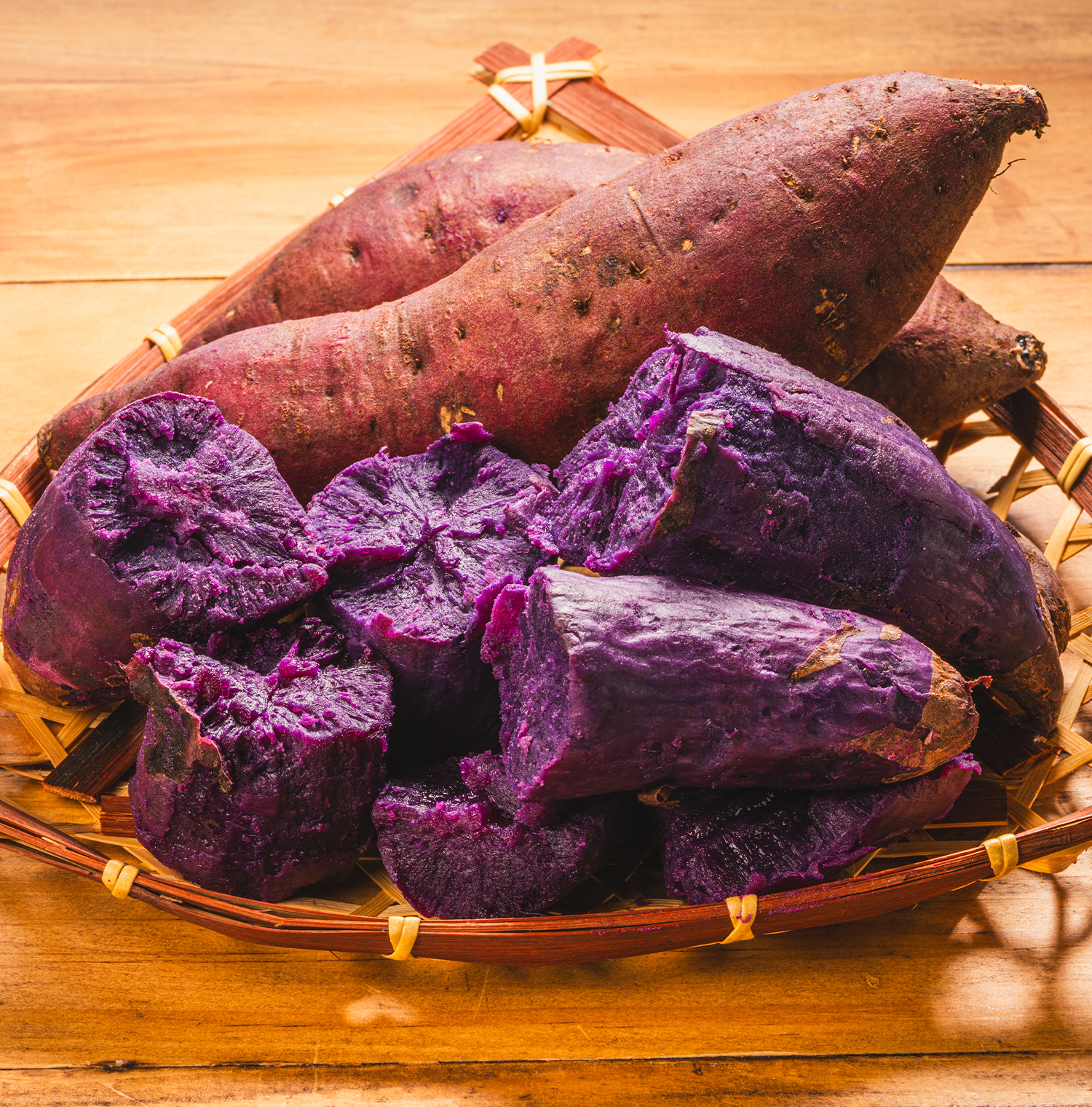
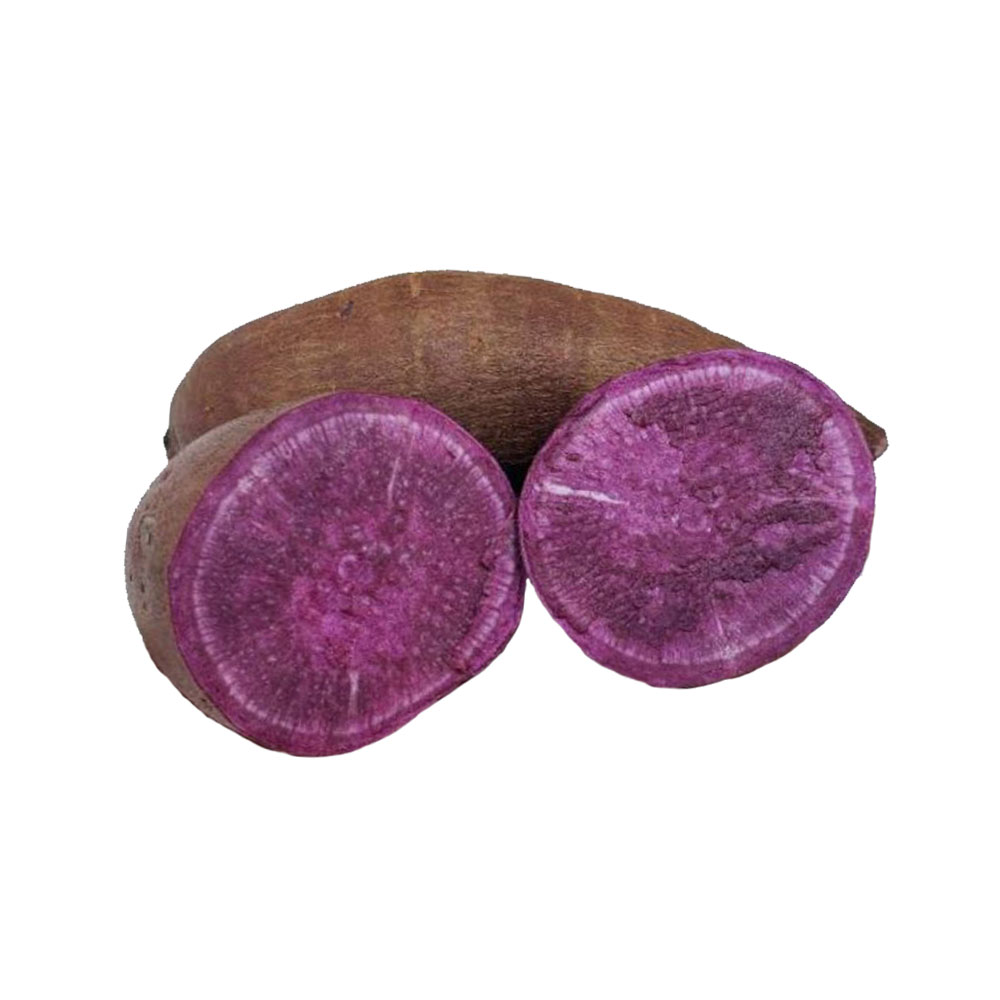
Ube, scientifically known as Dioscorea alata, is a purple yam native to the Philippines and other Southeast Asian countries. Unlike the sweet potato (which is sometimes confused with ube), this vibrant root vegetable offers a unique, subtly sweet flavor with hints of vanilla and a stunning natural purple color.
The global demand for ube powder has skyrocketed in recent years, particularly in Australia, where health-conscious consumers and creative home bakers have embraced its versatility. 🌏 This purple superfood contains powerful antioxidants called anthocyanins, the same compounds found in blueberries and red cabbage, making it both beautiful and nutritious.
The Farm: Where Your Ube Powder Journey Begins 🌱
Cultivation and Growing Conditions
Ube thrives in tropical and subtropical climates with rich, well-drained soil. Farmers typically plant ube in mounds or ridges to ensure proper drainage and root development. The vines grow vigorously, climbing on trellises or support structures, with heart-shaped leaves creating a lush canopy.
The growing cycle takes approximately 8 to 10 months from planting to harvest. During this time, farmers carefully monitor soil moisture, manage weeds, and protect the crops from pests using sustainable agricultural practices. The best quality ube comes from farms that prioritize organic methods and avoid harmful pesticides, ensuring you receive a pure, clean product.
Harvesting: Timing is Everything
Harvesting ube requires skill and precision. Farmers must wait until the yams reach optimal maturity, typically indicated by the yellowing and dying back of the vines. Premature harvesting results in smaller tubers with lower nutritional content, while delayed harvesting can lead to deterioration.
Workers carefully dig around the base of each plant, extracting the purple tubers without damaging them. A single plant can produce multiple tubers, ranging from small to impressively large specimens weighing several kilograms. The freshly harvested ube has a rough, bark-like exterior that conceals the spectacular purple flesh within. ✨
From Field to Processing Facility: Quality Control Begins
Initial Selection and Sorting
Once harvested, the ube undergoes rigorous quality control. Processing facilities receive the fresh tubers and conduct thorough inspections. Only the finest specimens, those with uniform color, appropriate size, and no signs of damage or disease, advance to the next stage.
| Discover our Ube Bamboo Spoon |

This selection process ensures that your ube powder maintains consistent quality, vibrant color, and optimal nutritional content. Rejected tubers may be used for other purposes or composted, maintaining zero-waste principles that many sustainable farms embrace.
Cleaning and Preparation
Selected ube tubers undergo extensive cleaning to remove soil, debris, and any surface contaminants. Industrial washing systems use multiple rinse cycles with filtered water to ensure thorough cleanliness. This step is crucial for food safety and quality assurance.
After washing, the ube is peeled, either manually or using mechanical peelers, depending on the facility's scale. The vibrant purple flesh is then cut into uniform pieces to ensure even processing in subsequent stages. This preparation phase requires precision because inconsistent sizing can affect the final powder's texture and quality.
The Transformation Process: From Fresh Ube to Premium Powder
Cooking and Softening
Before dehydration, the ube pieces typically undergo a cooking process. Steaming or boiling softens the fibrous structure and makes the starches more digestible. This pre-treatment also helps preserve the natural purple color and enhances the bioavailability of nutrients, making them easier for your body to absorb.
The cooking time and temperature are carefully controlled. Too little cooking leaves the ube tough and difficult to process, while overcooking can degrade valuable nutrients and alter the flavor profile. Expert technicians monitor this stage meticulously to achieve the perfect balance. 💜
Dehydration: Removing Moisture While Preserving Nutrients
The dehydration process is where science meets art. Modern facilities use various methods to remove moisture while maintaining the ube's nutritional integrity:
Freeze-Drying (Lyophilization)
The premium method for creating high-quality ube powder involves freeze-drying. The cooked ube is rapidly frozen, then placed in a vacuum chamber where the ice sublimates directly into vapor without passing through a liquid phase. This gentle process preserves up to 97% of nutrients, maintains the vibrant purple color, and creates a powder with excellent rehydration properties.
Freeze-dried ube powder typically commands a higher price, but you receive superior quality with better nutrient retention, more intense flavor, and that gorgeous natural purple hue that makes your creations pop.
Air Drying or Dehydration
More economical facilities may use heated air dehydration. While this method is effective at removing moisture, it can result in some nutrient loss and slight color fading. However, reputable manufacturers carefully control temperature and airflow to minimize these effects, still producing quality powder suitable for most applications.
Milling and Grinding
Once the ube pieces are completely dehydrated (typically to below 5% moisture content), they become brittle and ready for milling. Industrial grinders reduce the dried ube into a fine, consistent powder. The fineness of the grind affects how easily the powder dissolves in liquids and incorporates into recipes.
Quality manufacturers use multi-stage milling processes, starting with coarse grinding and progressively refining the powder. Some facilities sift the powder multiple times to ensure uniform particle size, removing any larger pieces that could create texture issues in your smoothies or baked goods.
Quality Assurance and Testing: Your Safety Matters 🔬
Laboratory Analysis
Before packaging, premium ube powder undergoes comprehensive laboratory testing. These analyses check for:
Nutritional Content: Verifying protein, fiber, vitamin, and mineral levels Microbial Safety: Ensuring the powder is free from harmful bacteria, yeasts, and molds Heavy Metals: Testing for contaminants that could pose health risks Color Stability: Confirming the powder maintains its characteristic purple hue Moisture Content: Ensuring proper dehydration for extended shelf life
This scientific approach guarantees that when you purchase quality ube powder, you receive a safe, nutritious product that delivers consistent results every time.
Certification and Standards
Reputable ube powder producers obtain relevant certifications such as organic certification, HACCP (Hazard Analysis Critical Control Points), and GMP (Good Manufacturing Practices). These certifications provide you with confidence that the product meets international quality and safety standards.
For Australian consumers, ensuring your ube powder comes from certified facilities means you can trust what you're putting in your body and serving to your family. 🛡️
Packaging: Protecting Quality Until It Reaches You
| Discover our Ube Starter Kit |

Modern Packaging Solutions
Quality ube powder requires proper packaging to maintain freshness, prevent moisture absorption, and protect the delicate anthocyanins from light degradation. Premium products typically come in:
Multi-Layer Foil Pouches: These provide excellent barriers against moisture, oxygen, and light Resealable Containers: Allowing you to maintain freshness between uses Amber or Opaque Bottles: Protecting the powder from UV light exposure
The packaging process occurs in controlled environments to prevent contamination. Nitrogen flushing, where oxygen is replaced with inert nitrogen gas before sealing, helps extend shelf life and preserve the powder's vibrant color and nutritional properties.
Labeling and Information
Transparent labeling provides you with essential information about your ube powder, including nutritional facts, ingredient lists, suggested uses, storage instructions, and batch numbers for traceability. This transparency reflects the manufacturer's commitment to quality and customer satisfaction.
From Warehouse to Your Kitchen: The Final Leg
Storage and Distribution
After packaging, ube powder is stored in climate-controlled warehouses that maintain optimal temperature and humidity levels. Proper storage prevents clumping, color degradation, and nutrient loss, ensuring the product you receive is as fresh as possible.
Distribution networks transport the powder to retailers or directly to your doorstep. In Australia's warm climate, maintaining cool chain logistics is particularly important during summer months to preserve quality during transit.
What to Look for When Purchasing Ube Powder
Understanding the production process empowers you to make informed purchasing decisions. Look for:
Vibrant Purple Color: Indicating proper processing and freshness Fine, Consistent Texture: Suggesting quality milling processes Clear Origin Information: Knowing where your ube comes from Organic or Natural Certifications: Ensuring minimal pesticide exposure Transparent Nutritional Information: Understanding what you're consuming Positive Customer Reviews: Real experiences from other users
Premium ube powder may cost more, but the superior quality, better flavor, and higher nutrient retention make it a worthwhile investment in your health and culinary creations. 💰
The Nutritional Benefits: Why This Process Matters
The careful journey from farm to kitchen isn't just about aesthetics. Properly processed ube powder retains impressive nutritional benefits:
Rich in Antioxidants: The purple color comes from anthocyanins, powerful compounds that combat oxidative stress in your body Dietary Fiber: Supporting digestive health and promoting satiety Complex Carbohydrates: Providing sustained energy without rapid blood sugar spikes Vitamins and Minerals: Including vitamin C, potassium, and manganese Low Glycemic Index: Making it suitable for various dietary approaches
The production methods directly impact nutrient retention. Freeze-dried, minimally processed ube powder offers you maximum nutritional benefits compared to heavily processed alternatives.
Creative Uses in Your Kitchen 🍰
Now that you understand the journey, here's how to make the most of your ube powder:
Morning Smoothies: Add a teaspoon for gorgeous color and subtle sweetness Baked Goods: Incorporate into muffins, cakes, and cookies for unique flavor Lattes and Beverages: Create trendy ube lattes and teas Ice Cream and Desserts: Natural coloring and flavoring for frozen treats Energy Balls: Mix with dates, nuts, and coconut for nutritious snacks Pancakes and Waffles: Transform breakfast into a purple paradise
The versatility of quality ube powder makes it an essential pantry staple for creative cooks and health enthusiasts alike.
Supporting Sustainable Agriculture
By choosing quality ube powder, you support sustainable farming practices in Southeast Asian communities. Many ube farmers use traditional, environmentally friendly methods that preserve soil health and biodiversity. Your purchase helps sustain these agricultural traditions while supporting farming families.
Look for brands that prioritize fair trade practices and direct relationships with farmers. This ensures that the people who cultivate your ube receive fair compensation for their hard work. 🤝
From Humble Root to Kitchen Superfood
The journey of ube powder from tropical farms to your kitchen is a testament to agricultural expertise, scientific innovation, and quality control. Each step in this process, from careful cultivation and harvesting to precise dehydration and milling, contributes to the exceptional product you receive.
| Discover our Purple Yam Powder 100 g |

Understanding this journey helps you appreciate the value of premium ube powder and makes you a more informed consumer. When you choose high-quality ube powder, you're not just buying a colorful ingredient but investing in nutrition, sustainability, and culinary creativity.
Your Favourite UBE Products Are Here
If you’d like to learn even more about this incredible superfood, we invite you to explore the rest of our website dedicated to premium UBE products available across Australia. You can browse our organic ube powder collection to discover our best-selling items, and explore our different accessory collections for even more options.
Whether you’re looking for recipes, health benefits, or high-quality UBE ingredients, you’ll find everything you need right here and at ww.organic-ube-australia.com.au


