

What is the difference between ube and taro?
If you've ever scrolled through social media and spotted those stunning purple desserts, you've likely encountered ube and taro. These vibrant root vegetables have taken the culinary world by storm, but many people still confuse them. Whether you're a home baker, a health enthusiast, or simply curious about these colourful ingredients, understanding the difference between ube and taro will help you make informed choices for your kitchen.
At first glance, these purple tubers might seem interchangeable, but they each bring unique flavours, nutritional profiles, and culinary applications to your table. Let's dive deep into what sets these two apart and discover why ube powder might be the perfect addition to your pantry.
Before you get started, you can now explore our full range of UBE products available across Australia by clicking here.

Understanding Ube: The Filipino Purple Yam
Ube, pronounced "oo-beh," is a purple yam native to the Philippines. This vibrant root vegetable has been a staple in Filipino cuisine for centuries, and its popularity has recently exploded across Australia and the Western world.

What Makes Ube Special?
Ube belongs to the Dioscorea alata species and grows primarily in tropical climates. What immediately captures your attention is its striking purple colour, which ranges from light lavender to deep violet. This natural pigmentation comes from anthocyanins, powerful antioxidants that offer numerous health benefits.
The flavour profile of ube is distinctly sweet with subtle vanilla undertones and a hint of nuttiness. When you taste ube, you'll notice it's naturally sweeter than taro, making it an excellent choice for desserts and sweet applications. The texture is smooth and creamy when cooked, creating a luxurious mouthfeel in your recipes.
Nutritional Benefits You'll Love
When you incorporate ube into your diet, you're giving your body a wealth of nutrients. This purple yam is rich in complex carbohydrates, providing sustained energy throughout your day. It contains significant amounts of vitamin C, which supports your immune system, and potassium, essential for heart health and proper muscle function.
The anthocyanins that give ube its gorgeous colour also act as antioxidants in your body, helping to combat oxidative stress and inflammation. Additionally, ube provides dietary fibre, supporting your digestive health and helping you feel satisfied after meals.
Exploring Taro: The Asian Staple Root
Taro, known scientifically as Colocasia esculenta, has been cultivated across Asia, Africa, and the Pacific Islands for thousands of years. This versatile root vegetable plays a crucial role in many traditional cuisines.
Taro's Distinctive Characteristics
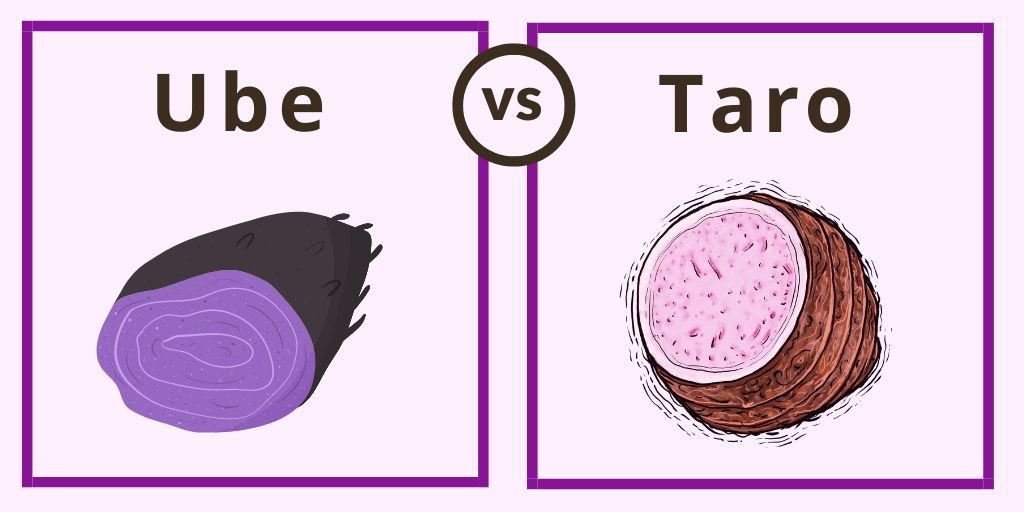
Unlike ube, taro typically has a white or pale purple flesh with distinctive purple specks throughout. The exterior is brown and hairy, quite different from ube's smoother appearance. When you cut into taro, you'll notice the mottled pattern that makes it visually distinct.
| Discover our Bamboo Whisk for Ube |

The flavour of taro is more subtle and earthy compared to ube's sweetness. You might detect nutty notes with a slight sweetness, but overall, taro tastes more neutral and starchy. This makes it incredibly versatile for both sweet and savoury dishes. The texture is denser and more potato-like, though it becomes creamy when properly cooked.
Health Advantages of Taro
Taro offers you an impressive nutritional profile. It's an excellent source of resistant starch, which acts as a prebiotic, feeding the beneficial bacteria in your gut. This root vegetable provides vitamin E, important for skin health and immune function, along with magnesium, which supports bone health and energy production.
With a lower glycemic index than many other starchy vegetables, taro can help you maintain more stable blood sugar levels. It also contains more fibre than ube, making it particularly beneficial for your digestive system.
Key Differences You Need to Know
Appearance and Colour 🎨
The most obvious difference you'll notice is the colour intensity. Ube boasts a consistent, vibrant purple throughout its flesh, making it perfect for creating those Instagram-worthy purple treats. Taro, on the other hand, presents a more muted appearance with its pale flesh and purple flecks.
When you use ube powder in your recipes, you'll achieve that distinctive bright purple colour that remains stable even after cooking. This makes it ideal for visually striking desserts and beverages.
Flavour Profile Comparison
Your taste buds will immediately detect the difference between these two roots. Ube offers you a naturally sweet experience with its vanilla-like notes, requiring less added sugar in your recipes. This sweetness makes it perfect for ice cream, cakes, pastries, and sweet beverages.
:max_bytes(150000):strip_icc()/Ube-vs-Taro-4x3-124f29fff6144a50bac2018b1b982114.jpg)
Taro provides you with a more neutral, earthy flavour that works beautifully in both sweet and savoury applications. You can use it in bubble tea, create savoury dishes, or incorporate it into desserts where you want a subtler taste.
Texture Distinctions
When you cook with ube, you'll appreciate its smooth, almost creamy consistency. It blends beautifully into batters and creates silky textures in desserts. Taro gives you a denser, starchier texture that's closer to potatoes, making it excellent for applications where you want more body and structure.
Nutritional Comparison
Both roots offer you valuable nutrients, but with different strengths. Ube provides you with higher levels of antioxidants thanks to its intense purple pigmentation. Taro gives you more fibre and resistant starch, which supports your digestive health and helps you feel fuller longer.
If you're watching your calorie intake, both options are relatively similar, with taro being slightly lower in natural sugars. The choice between them depends on your specific nutritional goals and culinary needs.
Culinary Uses and Applications
How to Use Ube in Your Kitchen
Ube powder offers you incredible convenience and versatility. You can create stunning purple lattes, smoothies, and protein shakes that not only look amazing but also provide nutritional benefits. In baking, ube powder transforms ordinary recipes into extraordinary creations with minimal effort.
Popular ube applications include traditional Filipino desserts like ube halaya, modern creations like ube cheesecake, purple pancakes and waffles, and vibrant ice cream and gelato. You can also add ube powder to your yoghurt, oatmeal, or energy balls for a nutritious and colourful boost.
Taro in Cooking
Taro's versatility allows you to explore both sweet and savoury territories. You'll find it commonly used in bubble tea, creating that beloved creamy, slightly sweet flavour. It works wonderfully in savoury dishes like taro chips and fries, curry and stews, and dim sum preparations.
For sweet applications, taro shines in mochi and traditional Asian desserts, cakes and pastries, and as a flavouring for various confections.
Why Choose Ube Powder for Your Pantry? ✨
When you're deciding between fresh ube, fresh taro, or powdered forms, ube powder offers you several compelling advantages, especially for Australian home cooks and bakers.
Convenience and Shelf Life
| Discover our Organic Ube Powder 500g |

Fresh ube can be challenging to source in Australia, and when you do find it, it requires significant preparation time. Ube powder solves this problem by providing you with a shelf-stable option that's ready to use whenever inspiration strikes. You don't need to worry about peeling, cooking, or mashing, the powder is ready to incorporate into your recipes immediately.
Consistent Results Every Time
When you bake or cook with fresh root vegetables, you might experience variations in colour, sweetness, and texture. Ube powder gives you consistent results in every batch, ensuring your creations always look and taste exactly as you intended.
Concentrated Flavour and Nutrition
High-quality ube powder concentrates the flavour and nutritional benefits of fresh ube, meaning you need less product to achieve the same vibrant colour and taste. This makes it cost-effective and ensures you're getting maximum value from your purchase.
Versatility in Your Recipes
You can easily adjust the intensity of ube flavour and colour in your recipes by varying the amount of powder you use. Start with small amounts and gradually increase until you achieve your desired result. This flexibility allows you to customize recipes to your personal preferences.
Making the Right Choice for Your Needs
When to Choose Ube
Opt for ube when you want to create visually stunning desserts with natural purple colour, you're making sweet applications that benefit from ube's natural sweetness, you want maximum antioxidant benefits from anthocyanins, or you're looking for that authentic Filipino flavour profile.
When to Choose Taro
Select taro when you need a more neutral flavour for both sweet and savoury dishes, you want a lower glycemic index option, you're creating traditional Asian recipes that specifically call for taro, or you prefer a denser, more substantial texture.
Can You Substitute One for the Other?
While ube and taro share some similarities, they're not perfect substitutes for each other. If you're making a traditional recipe, it's best to use the specified ingredient. However, in more flexible applications like smoothies or lattes, you can experiment with substituting one for the other, keeping in mind the flavour and sweetness differences.
Storing and Using Your Ube Powder
To get the most from your ube powder, store it in an airtight container in a cool, dry place away from direct sunlight. Properly stored, quality ube powder can last for many months, giving you plenty of time to experiment with different recipes.
When incorporating ube powder into recipes, you'll generally use one to three tablespoons per cup of liquid or dry ingredients, depending on how intense you want the colour and flavour. For baking, mix the powder with your dry ingredients for even distribution. For beverages, you can blend it directly with liquids or create a paste first for smoother incorporation.
The Verdict: Two Unique Ingredients Worth Exploring 🌟
Both ube and taro deserve a place in your culinary repertoire, but they serve different purposes. Ube, with its vibrant colour and sweet flavour, is your go-to for creating show-stopping desserts and beverages that will impress your family and friends. Its high antioxidant content also makes it a nutritious choice for health-conscious individuals.
Taro, with its versatility and neutral flavour, gives you more flexibility across both sweet and savoury applications. Its nutritional profile, particularly its fibre and resistant starch content, makes it excellent for supporting digestive health.
For Australian home cooks and bakers, ube powder represents an accessible way to explore this Filipino treasure without the challenges of sourcing and preparing fresh ube. You can create authentic flavours and stunning visual presentations with minimal effort, all while enjoying the nutritional benefits this purple powerhouse offers.
| Discover our Ube Starter Kit |

Whether you're making your morning smoothie more exciting, creating a birthday cake that will leave everyone asking for the recipe, or simply exploring new flavours in your kitchen, understanding the difference between ube and taro empowers you to make the right choice for your culinary adventures.
Your Favourite UBE Products Are Here
If you’d like to learn even more about this incredible superfood, we invite you to explore the rest of our website dedicated to premium UBE products available across Australia. You can browse our organic ube powder collection to discover our best-selling items, and explore our different accessory collections for even more options.
Whether you’re looking for recipes, health benefits, or high-quality UBE ingredients, you’ll find everything you need right here and at ww.organic-ube-australia.com.au


