

Ube vs Pandan: Which Flavour Should You Choose?
Anyone who has spent time browsing Filipino or wider Southeast Asian desserts will have come across two star ingredients time and time again: ube and pandan. Both are loved for the natural colour they bring to a bake, the aroma they carry, and the way they turn a simple recipe into something people remember. Even though they often appear together on dessert menus, ube and pandan are quite different once you look closely at their flavour, background, and everyday uses in the kitchen.
Before you get started, you can now explore our full range of UBE products available across Australia by clicking here.

If you are trying to work out which one suits your next cake, slice, or batch of ice cream, this guide walks through everything worth knowing so you can choose the ingredient that matches your recipe and your palate.
| Discover our Ube Lover Kit |

What Is Ube?
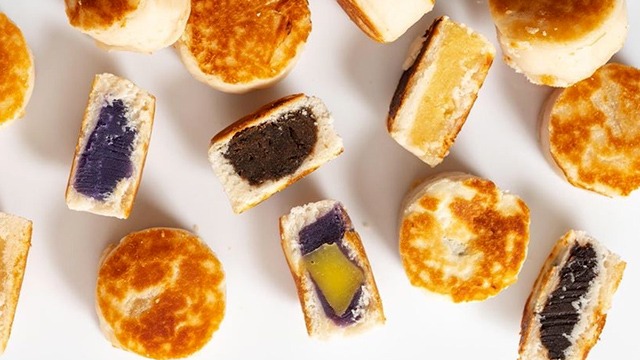
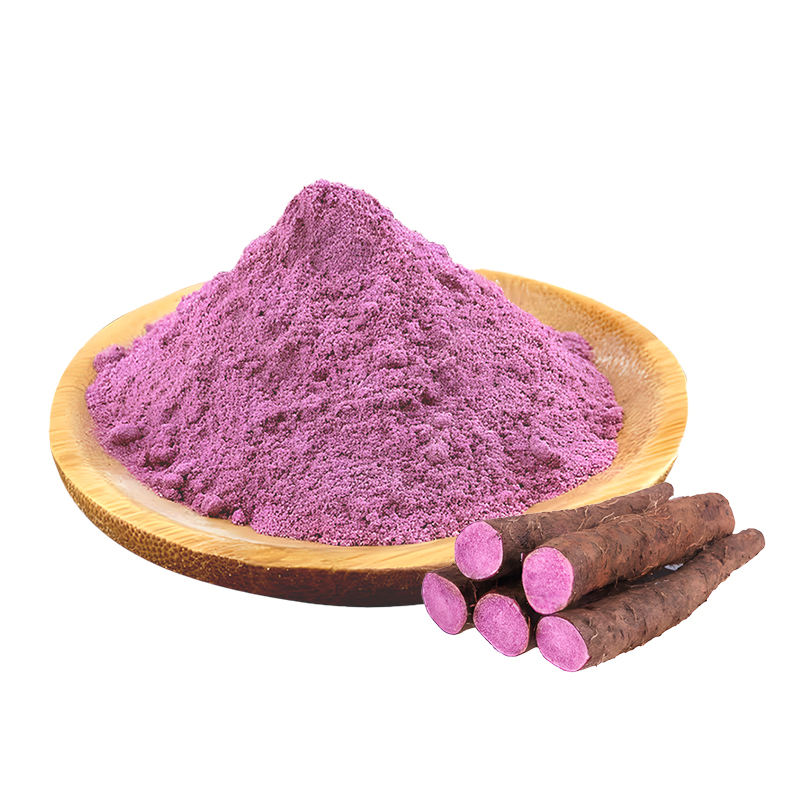
Ube is a striking purple yam that comes from the Philippines. It has become one of the most popular natural flavourings in dessert making thanks to its rich violet colour and a soft, sweet taste often described as somewhere between vanilla and coconut, with a gentle nutty edge. Once dried and ground into a powder, ube turns into a simple, versatile baking ingredient that can be folded into cakes, biscuits, custards, drinks, and even the occasional savoury dish.
That deep purple colour comes from anthocyanins, a group of natural plant pigments also found in blueberries and red cabbage. These compounds carry antioxidant properties, so alongside its bold colour and flavour, ube also offers a bit of nutritional benefit.
What Sets Ube Apart
- A naturally sweet, creamy taste that works beautifully with dairy, coconut milk, and classic dessert bases
- A deep, vivid purple colour with no need for artificial dye
- Easy blending into batters, doughs, icing, and cream fillings
- Strong heat stability, which makes it dependable for oven baking
What Is Pandan?
Pandan is a tropical plant with long, fragrant leaves used widely across Filipino, Thai, Malaysian, Indonesian, and Vietnamese cooking. Its flavour is often compared to vanilla with grassy, floral, and slightly nutty notes, and some say it carries a scent close to fragrant jasmine rice. Many cooks describe pandan as smelling like fresh cut grass after rain, both earthy and sweet at once.
Pandan is usually sold as an extract, a paste, or a powder, and each form delivers that soft green tint alongside its unmistakable fragrance. It appears in a huge range of traditional recipes, from layered cakes to smooth custards to sweet coconut rice dishes.
What Sets Pandan Apart
- A distinctive, fragrant flavour that is genuinely difficult to replace with anything else
- A gentle, natural green hue, perfect for recipes that want a fresh, garden style look
- A flavour profile that pairs wonderfully with coconut, rice, and other tropical dessert ingredients
- Strong ties to traditional Southeast Asian cooking, bringing real authenticity to a dish
Ube vs Pandan: The Key Differences
1. Flavour
This is where the two ingredients differ the most. Ube offers a rich, sweet, creamy flavour, often likened to a blend of vanilla and coconut with a soft nutty finish. It feels indulgent and comforting, which is exactly why it turns up so often in cakes, ice creams, and pastries.
Pandan, on the other hand, leans lighter and more herbal. It carries floral and slightly grassy tones with a faint trace of vanilla underneath, and generally feels fresher and airier than ube. That makes it a natural fit for custards, jellies, and traditional rice based sweets.
If you are chasing a rich, indulgent dessert, ube is likely the better option. If you would rather have something lighter, more aromatic, and distinctly tropical, pandan is probably the flavour for you.
2. Colour
Beyond taste, both ingredients are treasured for the natural colour they lend to a finished dish. Ube produces a deep purple through to soft lavender, while pandan produces a gentle, fresh green.
Planning a purple themed cake or dessert table? Ube is the obvious choice. Working on a green coloured chiffon cake, coconut jelly, or similar bake? Pandan will get you there naturally, without a drop of artificial colouring.
3. Origins and Traditional Uses
Ube holds a treasured place in Filipino food culture, most famously as ube halaya, a sweet purple yam jam that has since become the foundation for countless modern desserts, from layer cakes to soft serve to specialty lattes now enjoyed well beyond the Philippines.
Pandan has an even wider reach across Southeast Asia, showing up in dishes from the Philippines, Thailand, Malaysia, Indonesia, and Vietnam. It is not just used in sweets either. Cooks often wrap pandan leaves around rice or meat before cooking to infuse the dish with its fragrance, which means pandan is just as important in savoury cooking as it is in desserts.
| Discover our Preparation Bowl for Ube |

4. Versatility
Ube's smooth, sweet flavour makes it particularly easy to fold into Western style baking. It blends effortlessly into cakes, biscuits, ice cream, milkshakes, and lattes, which is a big part of why it has become such a popular flavour in bakeries and cafes across Australia in recent years.
Pandan is just as versatile but tends to shine brightest in recipes that lean into its Southeast Asian roots, such as sticky rice desserts, custards, and coconut based sweets. It also works beautifully in modern desserts whenever a lighter, more fragrant flavour is what you are after.
5. How Each Ingredient Is Sold
Ube is most commonly sold as a powder, which makes it easy to measure, store, and mix into recipes with reliable, consistent results every single time.
Pandan is available in a few different forms, including fresh leaves, extract, paste, and powder. Fresh leaves give the most authentic flavour, but extract and powder are far more practical for home bakers who cannot easily get hold of fresh pandan leaves.
Which One Should You Choose?
The right choice really comes down to the flavour and colour palette you are after.
Choose ube if you want:
- A sweet, creamy, vanilla like flavour
- A purple or lavender colour scheme
- An ingredient that performs well in Western style cakes, ice cream, and pastries
- Reliable, consistent results across a wide range of recipes
Choose pandan if you want:
- A light, fragrant, floral flavour
- A fresh green colour scheme
- An ingredient with deep roots in traditional Southeast Asian desserts
- A flavour that naturally pairs with coconut and rice
Plenty of home bakers and cafes keep both on hand, reaching for one or the other depending on the occasion, the season, or the colour scheme of whatever they are creating. Used together across different recipes, ube and pandan let you explore a broad range of flavours and colours, all rooted in genuine Filipino and Southeast Asian culinary tradition.
Why Choose Natural Flavour Over Artificial Alternatives?
Whether you settle on ube, pandan, or decide to keep both in your pantry, choosing a natural, plant based ingredient offers real advantages over synthetic flavourings and dyes. Both allow you to avoid artificial additives that more shoppers are actively trying to steer clear of, while still delivering a flavour experience that no artificial substitute can properly match.
Baking with ube or pandan means embracing a clean label approach in your own kitchen, while still producing desserts with genuinely distinctive flavour and colour that your family, friends, or customers will notice straight away.
Final Thoughts
Ube and pandan each bring something special to your baking. Ube delivers a rich, sweet, vanilla like flavour paired with a striking purple colour, making it a firm favourite for cakes, pastries, and frozen desserts around the world. Pandan delivers a lighter, more fragrant, floral flavour paired with a soft green colour, deeply connected to traditional Southeast Asian cuisine.
Rather than trying to pick a winner, think of these two ingredients as complementary tools, each ready to help you explore the rich and varied flavours of Filipino and Southeast Asian cooking. Whichever one you reach for first, you can feel confident you are adding genuine, natural flavour and colour to whatever you bake.
| Discover our Organic Ube Powder 200g |

Your Favourite UBE Products Are Here
If you’d like to learn even more about this incredible superfood, we invite you to explore the rest of our website dedicated to premium UBE products available across Australia. You can browse our organic ube powder collection to discover our best-selling items, and explore our different accessory collections for even more options.
Whether you’re looking for recipes, health benefits, or high-quality UBE ingredients, you’ll find everything you need right here and at ww.organic-ube-australia.com.au


